


In many industrial environments, workwear serves a purpose beyond appearance or branding. For workers exposed to heat, sparks, electrical hazards, or combustible materials, clothing becomes a vital part of workplace safety. Flame-resistant clothing (FR clothing) is designed to reduce burn injuries and protect workers in hazardous environments where sudden ignition risks exist.
Across industries such as oil and gas, power generation, and heavy manufacturing, FR workwear has become an essential component of industrial safety clothing and personal protective equipment (PPE).
Understanding Flame-Resistant Clothing
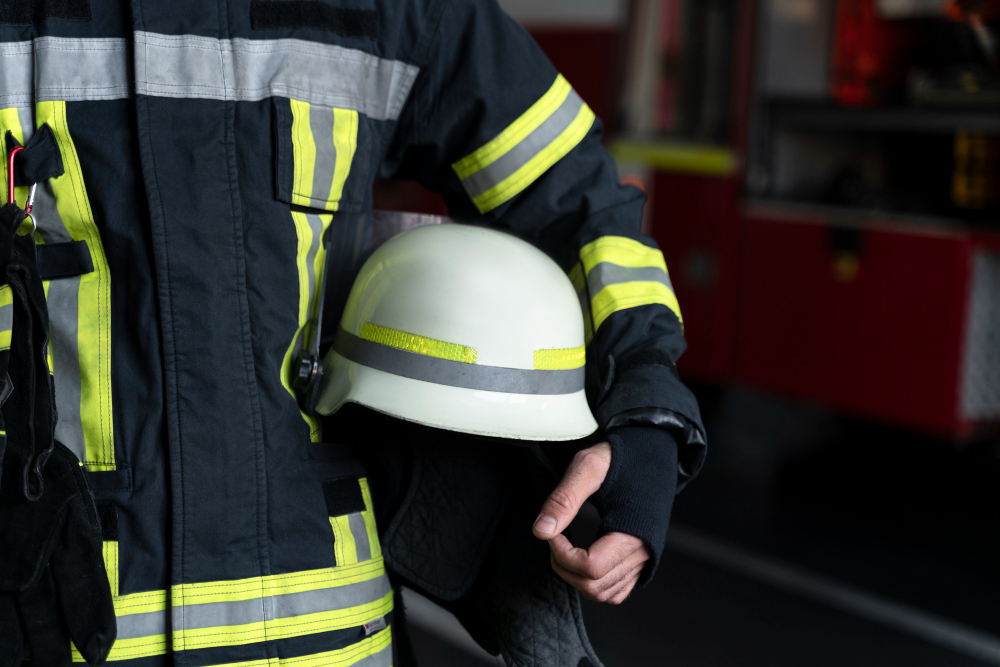
Flame-resistant clothing refers to garments made from fabrics that resist ignition and help prevent flames from spreading across the material. Unlike ordinary clothing, these garments are engineered to respond differently to heat or fire.
When a flame source is removed, FR clothing is designed to self-extinguish rather than continue burning. This reduces the severity of burns and provides workers with valuable time to move away from danger.
It is important to understand that flame-resistant PPE does not make a worker immune to fire. Instead, it acts as a protective barrier, reducing exposure to heat and flames in high-risk environments.
How FR Clothing Works
The protective performance of flame-resistant workwear depends on how the fabric is constructed.
Some garments are made from inherently flame-resistant fabrics. These fibers are naturally resistant to ignition and maintain their protective properties throughout the life of the garment.
Other garments use treated flame-resistant fabrics, where chemical processes are applied to the material to change how it reacts to heat and flames.
Both options are widely used in industrial protective clothing, depending on the level of hazard and the operational requirements of the workplace.
Why FR Clothing Is Important for Industrial Workers
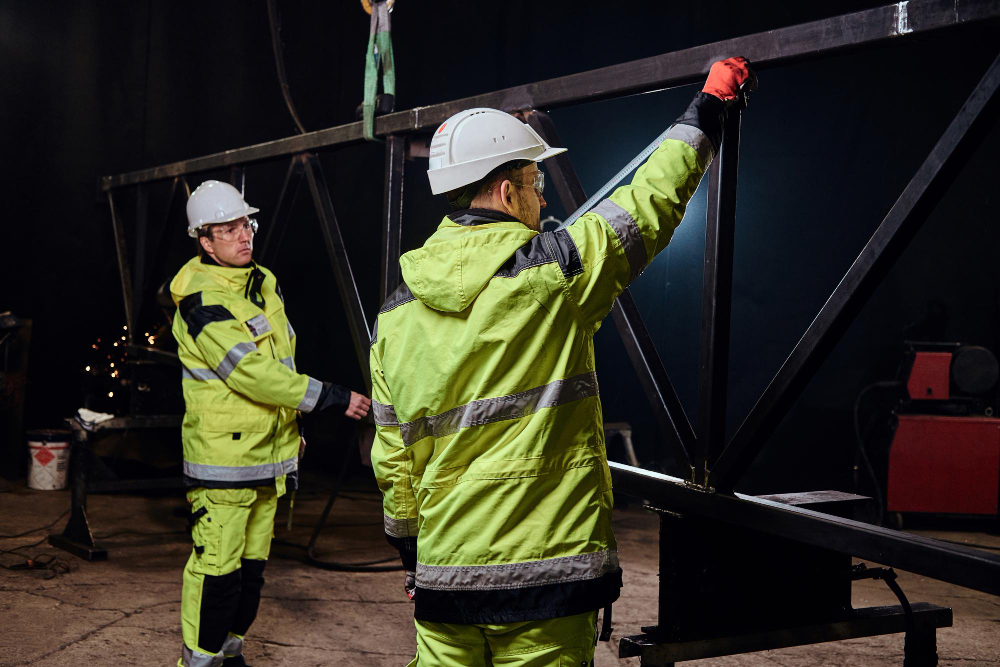
Workers in industries involving electrical systems, flammable gases, or high heat face unpredictable hazards. Even a brief ignition event can cause serious injury if workers are wearing standard clothing.
FR safety clothing helps reduce these risks in several ways:
Limits flame spread
The fabric slows down the movement of flames across the garment.
Prevents fabric from melting
Many regular synthetic fabrics melt when exposed to heat. Flame-resistant clothing is designed to avoid this reaction.
Provides escape time
FR garments give workers critical seconds to move away from flash fire or arc flash hazards.
Reduces burn severity
Lower flame exposure can significantly reduce the extent of injuries.
Because of these benefits, FR garments are a key part of workplace safety strategies in high-risk environments.
Industries That Require Flame-Resistant Workwear
Many sectors rely on FR workwear to protect employees operating in hazardous conditions.
Across the UAE and the wider GCC, the following industries frequently require flame resistant uniforms:
- Oil and gas operations
- Electrical utilities and maintenance
- Petrochemical facilities
- Power generation plants
- Welding and metal fabrication
- Heavy manufacturing
- Construction sites involving hot work
In these sectors, industrial safety clothing is often required to meet strict safety regulations and operational risk standards.
Common Types of FR Workwear
Companies typically supply different types of flame-resistant workwear depending on the work environment and level of protection required.
Common FR clothing options include:
- FR coveralls for full-body protection in industrial settings
- FR shirts and trousers for daily operational workwear
- FR jackets used in outdoor or high-exposure environments
- FR base layers are worn under outer garments for added protection
- FR lab coats are used in technical and laboratory settings
Selecting the right FR garments depends on the nature of the hazard, worker mobility requirements, and workplace conditions.
The Role of Safety Standards in FR Clothing
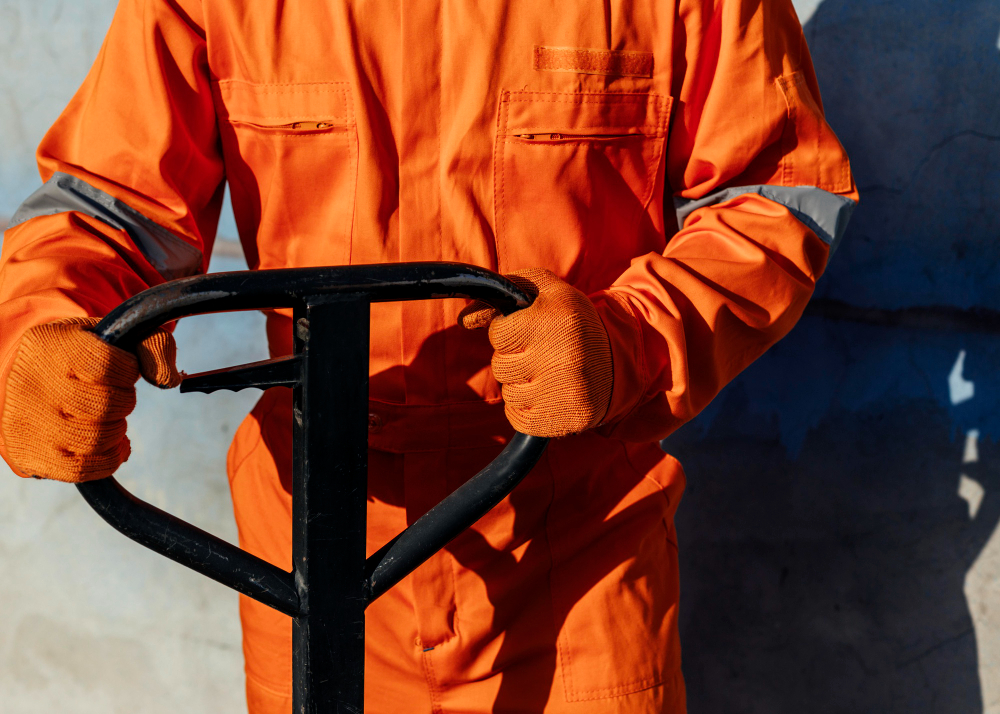
Reliable FR clothing must meet established safety standards to ensure consistent protection.
International standards used in flame-resistant PPE testing include the following:
- NFPA 2112 – protection against flash fire hazards
- NFPA 70E – protection against electrical arc flash hazards
- EN ISO 11612 – protection against heat and flames
- IEC 61482 – arc flash protective clothing standards
Organizations operating in the UAE often follow these international benchmarks when selecting certified FR workwear.
Choosing FR Clothing for UAE Climate Conditions
In the UAE, industrial workwear must balance protection with comfort. High temperatures and physically demanding work environments require garments that remain breathable and wearable throughout long shifts.
Important factors when selecting flame-resistant workwear include:
- Breathable fabrics suitable for hot climates
- Moisture management for long working hours
- Durable materials for frequent industrial use
- Lightweight construction for worker mobility
Well-designed FR safety clothing ensures workers remain protected without sacrificing comfort or performance.
Protecting Workers Through Proper Workwear
For organizations managing large teams in hazardous industries, investing in flame-resistant clothing is a key safety decision. Proper industrial protective clothing reduces risk, supports compliance with safety standards, and helps safeguard employees working in challenging environments.
As industries across the UAE continue to grow, the demand for reliable FR workwear and flame-resistant uniforms will remain an essential part of workplace safety and operational responsibility.
