


In the GCC, industrial workwear is not just about safety or branding—it is about performance under pressure. With extreme heat, high humidity, dust exposure, and sudden transitions between outdoor and air-conditioned environments, the region places unique demands on what employees wear every day.
For companies operating across the UAE and wider GCC, selecting the right industrial workwear is directly linked to workforce productivity, safety, and long-term cost efficiency. What works in Europe or colder climates often fails here—not because of quality, but because it was never designed for these conditions.
This is where climate-appropriate uniforms become a business decision, not just a procurement task.
Heat: The Primary Factor Shaping Workwear Choices
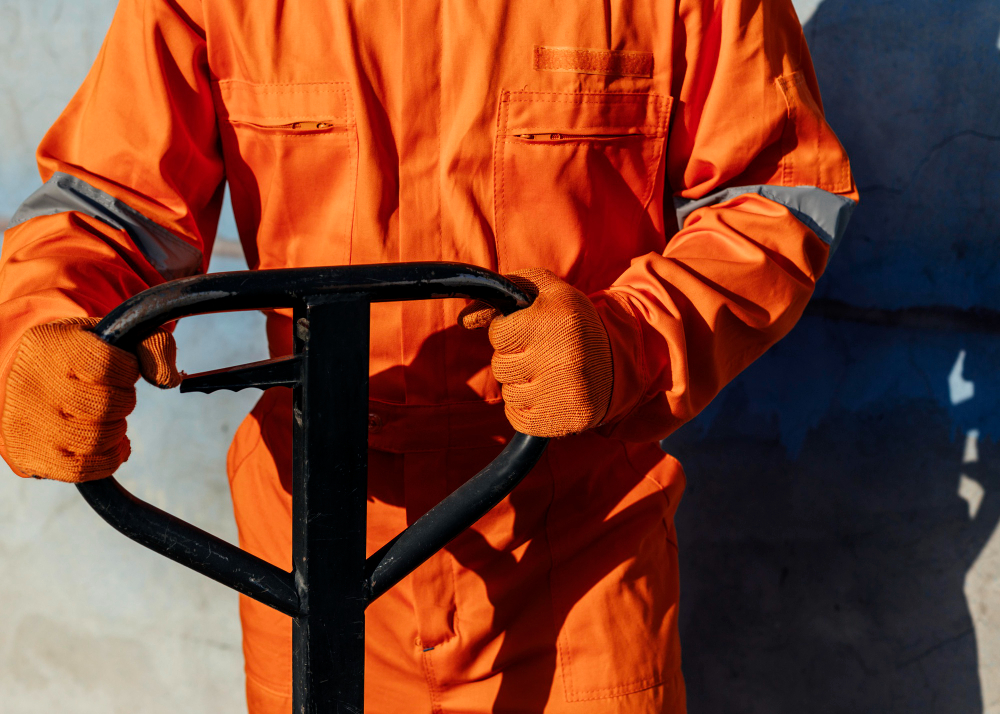
Temperatures across the GCC regularly exceed 40°C, especially in sectors like construction, logistics, oil & gas, and outdoor maintenance. In such conditions, poorly designed workwear can quickly lead to fatigue, discomfort, and even heat-related health risks.
Many companies assume lighter fabrics are the solution. In reality, fabric construction matters more than weight.
High-performance industrial workwear in the UAE often uses:
- Breathable weaves that allow air circulation
- Moisture-wicking materials to manage sweat
- Structured yet lightweight fabrics that maintain durability
The goal is not just to “feel lighter,” but to reduce heat retention while maintaining protection standards, especially for roles that require PPE clothing in the UAE.
Humidity: The Overlooked Challenge
In coastal cities like Dubai, Abu Dhabi, and across the UAE, humidity adds another layer of complexity. Sweat does not evaporate easily, which means garments stay damp longer—leading to discomfort and reduced efficiency.
This is where breathable workwear becomes essential.
For industries requiring long shifts outdoors, custom uniforms in the UAE must be designed to:
- Dry quickly
- Prevent fabric cling
- Maintain structure even when exposed to moisture
Without this, even high-quality uniforms can become impractical within hours of wear.
Dust and Sand: Durability Under Daily Stress
Across the GCC, dust and sand are constant. From construction sites to logistics yards, industrial workwear is exposed to abrasion, repeated washing, and environmental wear.
This is why durable uniforms for industries are a priority.
Effective uniform manufacturers in the UAE focus on:
- Reinforced stitching at stress points
- Fabric blends that resist tearing
- Colours and finishes that maintain appearance after repeated washes
Durability is not just about lifespan—it directly impacts replacement frequency and operational costs, especially for companies managing uniforms for large teams.
Safety vs Comfort: Finding the Right Balance
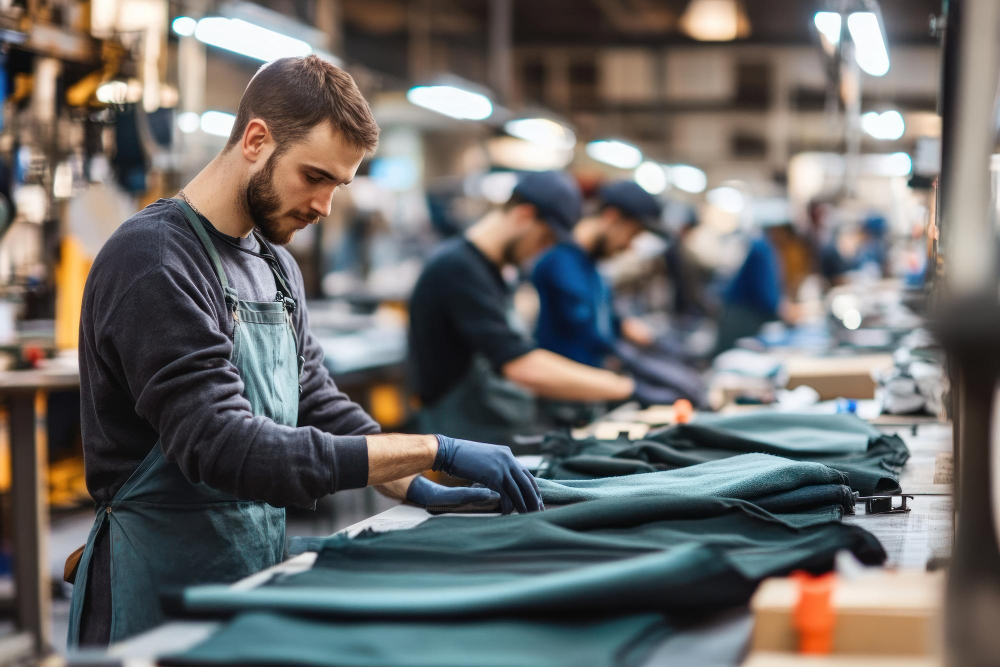
In sectors requiring safety uniforms in the UAE, such as oil & gas or heavy industry, compliance is non-negotiable. This includes:
- Flame resistant clothing
- High visibility uniforms
- Protective coveralls
However, traditional safety gear can be heavy and restrictive—making it unsuitable for GCC conditions if not adapted.
Modern uniform solutions for companies now focus on combining:
- Safety compliance
- Lightweight construction
- Breathability
For example, advanced coveralls suppliers in the UAE now offer flame-resistant clothing designed specifically for hot climates—ensuring protection without compromising mobility or comfort.
Indoor vs Outdoor Transitions
A unique challenge in the GCC is the constant shift between extreme outdoor heat and heavily air-conditioned indoor spaces. This affects how professional workwear in the UAE should be structured.
Employees working across environments—such as facility management teams, hospitality operations, or logistics staff—require:
- Layering options
- Fabrics that regulate temperature changes
- Designs that remain comfortable across varying conditions
This is particularly important for companies implementing uniform consistency across branches, where teams may operate in different environments within the same organization.
The Role of Design in Climate-Responsive Workwear
Climate-responsive uniform design services in Dubai go beyond fabric selection. Design plays a critical role in how a garment performs.
Key considerations include:
- Ventilation zones in high-heat areas
- Ergonomic cuts for movement and airflow
- Proper fit to avoid restriction or excess fabric trapping heat
For organisations investing in custom uniform design in the UAE, this level of detail ensures that uniforms support daily operations rather than hinder them.
Scaling Workwear Across the GCC
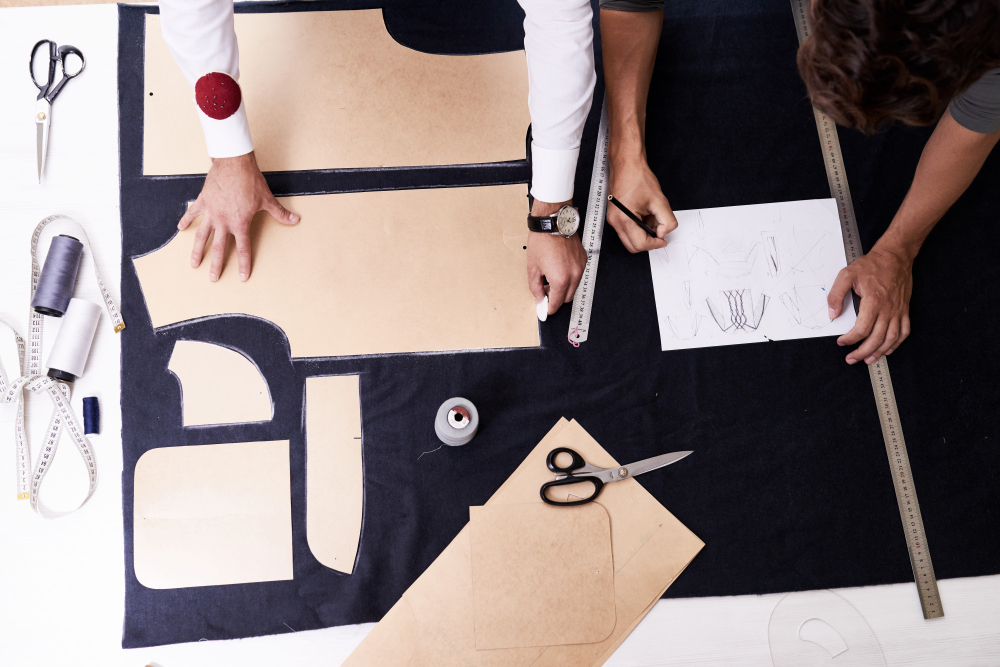
For companies operating across multiple locations, climate consistency becomes even more complex. Teams in the UAE, Saudi Arabia, and other GCC countries may face similar heat levels but different working conditions.
This is where scalable uniform solutions and uniform program management become critical.
A reliable workwear supplier in the UAE should be able to:
- Standardise design across locations
- Adapt fabrics based on role and environment
- Manage bulk uniform production in the UAE without compromising quality
This ensures uniform consistency across branches, while still addressing the realities of each work environment.
Why Climate Should Lead Every Uniform Decision
Too often, companies approach uniforms from a branding or cost perspective first. In the GCC, this approach leads to frequent replacements, employee discomfort, and reduced efficiency.
The most effective corporate uniform programs in the UAE are built around one key principle:
Workwear must perform in the environment it is used in.
When climate is considered from the beginning, businesses benefit from:
- Improved employee comfort and productivity
- Longer-lasting garments
- Reduced replacement cycles
- Stronger alignment between safety and usability
Final Thoughts
Industrial workwear in the GCC is shaped by conditions that demand more than standard solutions. Heat, humidity, dust, and operational complexity all play a role in how uniforms should be designed, produced, and managed.
For organizations investing in custom uniforms in the UAE, the focus should shift from simply supplying garments to building complete uniform solutions that support performance at scale.
Because in this region, the difference between a standard uniform and a well-designed one is not just visible—it is felt every single day.
